Friday, 21 June 2013
Auto Insurance Policy, Coverage and Cost Disparities - What You Must Know Before Buying
June 22. 2013
By Mike Boerner
There can be vast differences among auto insurance quotes and auto insurance policies currently offered in the marketplace. Use of your favorite search engine with the terms "auto" and "insurance" quickly provides a plethora of coverages, coverage levels, rates, options, payment terms, insurance companies, and geographic availability, just for starters. With virtually limitless choices, how does one select a suitable policy?
First, remember what you are buying: risk coverage, pure and simple. You want this coverage to pay for any damages, bodily injury, medical care, or loss of life, for which you are found liable. Sounds pretty serious, doesn't it? It is. Not only is it important to insure against the full range of risks under which you will operate your vehicle, it is of the utmost importance that you be indemnified (protected) against those risks by a company with the resources to do so. While those resources include the obvious financial ones, they also include customer service, and good will within the industry. An insurance company customer service function that is efficient, conscientious, and courteous can prevent a lot of distasteful complications. Similarly, good insurance company relations within the fraternity of auto insurers may greatly facilitate handling of your claim, or the claim of the damaged party. Basically, a lawsuit avoided is a win for all concerned parties. With risk coverage established as the primary consideration, all others, including cost, take a back seat. Nevertheless, no matter what selection process you utilize, keep in mind the following factors:
1. Buy only the insurance coverage you need, and cannot self-insure. If you're driving a $2500 vehicle, and Collision coverage (which covers the cost of repairing YOUR car) costs $3000 per year, it should be obvious that you can self-insure total loss of your vehicle, and do so at a profit. It should also be obvious that any automobile in motion, regardless of cost, is capable of inflicting approximately the same amount of property damage, bodily injury, or death, and that these Liability coverages are necessities for all but the super-rich and the penniless. Many other coverage options allow you to customize your policy based on your aversion to specific risks and the premiums quoted to relieve you of those risks. Among the many factors that influence the amount of your premium, the coverage deductible, which you specify, offers the greatest opportunity for overall premium savings. These savings aren't free, of course, as you are assuming the risk of covering the cost of the deductible should a mishap come your way, in exchange for a lowered premium.

21+ Useful Insurance Terms You Should Know
June 22, 2013
By Carmen A. Russo
Co-Author: Garret Akerson
INSURED - A person or a corporation who contracts for an insurance policy that indemnifies (protects) him against loss or damage to property or, in the case of a liability policy, defend him against a claim from a third party.
NAMED INSURED - Any person, firm or corporation specifically designated by name as an insured(s) in a policy as distinguished from others who, though unnamed, are protected under some circumstances. For example, a common application of this latter principle is in auto liability policies wherein by a definition of "insured", coverage is extended to other drivers using the car with the permission of the named insured. Other parties can also be afforded protection of an insurance policy by being named an "additional insured" in the policy or endorsement.
ADDITIONAL INSURED - An individual or entity that is not automatically included as an insured under the policy of another, but for whom the named insureds policy provides a certain degree of protection. An endorsement is typically required to effect additional insured status. The named insureds impetus for providing additional insured status to others may be a desire to protect the other party because of a close relationship with that party (e.g., employees or members of an insured club) or to comply with a contractual agreement requiring the named insured to do so (e.g., customers or owners of property leased by the named insured).
CO-INSURANCE - The sharing of one insurance policy or risk between two or more insurance companies. This usually entails each insurer paying directly to the insured their respective share of the loss. Co-insurance can also be the arrangement by which the insured, in consideration of a reduced rate, agrees to carry an amount of insurance equal to a percentage of the total value of the property insured. An example is if you have guaranteed to carry insurance up to 80% or 90% of the value of your building and/or contents, whatever the case may be. If you don't, the company pays claims only in proportion to the amount of coverage you do carry.
The following equation is used to determine what amount may be collected for partial loss:
Amount of Insurance Carried x Loss
Amount of Insurance that = Payment
Should be Carried
Example A Mr. Right has an 80% co-insurance clause and the following situation:
$100,000 building value
$ 80,000 insurance carried
$ 10,000 building loss
By applying the equation for determining payment for partial loss, the following amount may be collected:
$80,000 x $10,000 = $10,000
$80,000
Mr. Right recovers the full amount of his loss because he carried the coverage specified in his co-insurance clause.
Example B Mr. Wrong has an 80% co-insurance clause and the following situation:
$100,000 building value
$ 70,000 insurance carried
$ 10,000 building loss
By applying the equation for determining payment for partial loss, the following amount may be collected:
$70,000 x $10,000 = $8,750
$80,000
Mr. Wrong's loss of $10,000 is greater than the company's limit of liability under his co-insurance clause. Therefore, Mr. Wrong becomes a self-insurer for the balance of the loss-- $1,250.
PREMIUM - The amount of money paid by an insured to an insurer for insurance coverage.
DEDUCTIBLE - The first dollar amount of a loss for which the insured is responsible before benefits are paid by the insurer; similar to a self-insured retention (SIR). The insurer's liability begins when the deductible is exhausted.
SELF INSURED RETENTION - Acts the same way as a deductible but the insured is responsible for all legal fees incurred in relation to the amount of the SIR.
POLICY LIMIT - The maximum monetary amount an insurance company is responsible for to the insured under its policy of insurance.
FIRST PARTY INSURANCE - Insurance that applies to coverage for an insureds own property or a person. Traditionally it covers damage to insureds property from whatever causes are covered in the policy. It is property insurance coverage. An example of first party insurance is BUILDERS RISK INSURANCE which is insurance against loss to the rigs or vessels in the course of their construction. It only involves the insurance company and the owner of the rig and/or the contractor who has a financial interest in the rig.
THIRD PARTY INSURANCE - Liability insurance covering the negligent acts of the insured against claims from a third party (i.e., not the insured or the insurance company - a third party to the insurance policy). An example of this insurance would be SHIP REPAIRER'S LEGAL LIABILITY (SRLL) - provides protection for contractors repairing or altering a customer's vessel at their shipyard, other locations or at sea; also covers the insured while the customer's property is under the "Care, Custody and Control" of the insured. A Commercial General Liability policy is needed for other coverages, such as slip-and-fall situations.
INSURABLE INTEREST - Any interest in something that is the subject of an insurance policy or any legal relationship to that subject that will trigger a certain event causing monetary loss to the insured. Example of insurable interest - ownership of a piece of property or an interest in that piece of property, e.g., a shipyard constructing a rig or vessel. (See BUILDERS RISK above)
LIABILITY INSURANCE - Insurance coverage that protects an insured against claims made by third parties for damage to their property or person. These losses usually come about as a result of negligence of the insured. In marine construction this policy is referred to an MGL, marine general liability policy. In non marine circumstances the policy is referred to as a CGL, commercial general liability policy. Insurance policies can be divided into two broad categories:
First party insurance covers the property of the person who purchases the insurance policy. For example, a home owner's policy promising to pay for fire damage to the home owner's home is a first party policy. Liability insurance, sometimes called third party insurance, covers the policy holder's liability to other people. For example, a homeowners' policy might cover liability if someone trips and falls on the home owner's property. Sometimes one policy, such as in these examples, may have both first and third party coverage.
Liability insurance provides two separate benefits. First, the policy will cover the damage incurred by the third party. Sometimes this is called providing "indemnity" for the loss. Second, most liability policies provide a duty to defend. The duty to defend requires the insurance company to pay for lawyers, expert witnesses, and court costs to defend the third party's claim. These costs can sometimes be substantial and should not be ignored when facing a liability claim.
UMBRELLA LIABILITY COVERAGE - This type of liability insurance provides excess liability protection. Your business needs this coverage for the following three reasons:
It provides excess coverage over the "underlying" liability insurance you carry.
It provides coverage for all other liability exposures, excepting a few specifically excluded exposures. This subject to a large deductible of about $10,000 to $25,000.
It provides automatic replacement coverage for underlying policies that have been reduced or exhausted by loss.
NEGLIGENCE - The failure to use reasonable care. The doing of something which a reasonably prudent person would not do, or the failure to do something which a reasonably prudent person would do under like circumstances. Negligence is a 'legal cause' of damage if it directly and in natural and continuous sequence produces or contributes substantially to producing such damage, so it can reasonably be said that if not for the negligence, the loss, injury or damage would not have occurred.
GROSS NEGLIGENCE - A carelessness and reckless disregard for the safety or lives of others, which is so great it appears to be almost a conscious violation of other people's rights to safety. It is more than simple negligence, but it is just short of being willful misconduct. If gross negligence is found by the trier of fact (judge or jury), it can result in the award of punitive damages on top of general and special damages, in certain jurisdictions.
WILLFUL MISCONDUCT - An intentional action with knowledge of its potential to cause serious injury or with a reckless disregard for the consequences of such act.
PRODUCT LIABILITY - Liability which results when a product is negligently manufactured and sent into the stream of commence. A liability that arises from the failure of a manufacturer to properly manufacture, test or warn about a manufactured object.
MANUFACTURING DEFECTS - When the product departs from its intended design, even if all possible care was exercised.
DESIGN DEFECTS - When the foreseeable risks of harm posed by the product could have been reduced or avoided by the adoption of a reasonable alternative design, and failure to use the alternative design renders the product not reasonably safe.
INADEQUATE INSTRUCTIONS OR WARNINGS DEFECTS - When the foreseeable risks of harm posed by the product could have been reduced or avoided by reasonable instructions or warnings, and their omission renders the product not reasonably safe.
PROFESSIONAL LIABILITY INSURANCE - Liability insurance to indemnify professionals, (doctors, lawyers, architects, engineers, etc.,) for loss or expense which the insured professional shall become legally obliged to pay as damages arising out of any professional negligent act, error or omission in rendering or failing to render professional services by the insured. Same as malpractice insurance.
Professional Liability has expanded over the years to include those occupations in which special knowledge, skills and close client relationships are paramount. More and more occupations are considered professional occupations, as the trend in business continues to grow from a manufacturing-based economy to a service-oriented economy. Coupled with the litigious nature of our society, the companies and staff in the service economy are subject to greater exposure to malpractice claims than ever before.
ERRORS AND OMISSIONS - Same as malpractice or professional liability insurance.
HOLD HARMLESS AGREEMENT - A contractual arrangement whereby one party assumes the liability inherent in the situation, thereby relieving the other party of responsibility. For example, a lease of premises may provide that the lessee must "hold harmless" the lessor for any liability from accidents arising out of the premises.
INDEMNIFY - To restore the victim of a loss, in whole or in part, by payment, repair, or replacement.
INDEMNITY AGREEMENTS - Contract clauses that identify who is to be responsible if liabilities arise and often transfer one party's liability for his or her wrongful acts to the other party.
WARRANTY - An agreement between a buyer and a seller of goods or services detailing the conditions under which the seller will make repairs or fix problems without cost to the buyer.
Warranties can be either expressed or implied. An EXPRESS WARRANTY is a guarantee made by the seller of the goods which expressly states one of the conditions attached to the sale e.g.,"This item is guaranteed against defects in construction for one year".
An IMPLIED WARRANTY is usual in common law jurisdictions and attached to the sale of goods by operation of law made on behalf of the manufacturer. These warranties are not usually in writing. Common implied warranties are a warranty of fitness for use (implied by law that if a seller knows the particular purpose for which the item is purchased certain guarantees are implied) and a warranty of merchantability (a warranty implied by law that the goods are reasonably fit for the general purpose for which they are sold).
DAMAGES OR LOSS - The monetary consequence which results from injury to a thing or a person.
CONSEQUENTIAL DAMAGES - As opposed to direct loss or damage -- is indirect loss or damage resulting from loss or damage caused by a covered peril, such as fire or windstorm. In the case of loss caused where windstorm is a covered peril, if a tree is blown down and cuts electricity used to power a freezer and the food in the freezer spoils, if the insurance policy extends coverage for consequential loss or damage then the food spoilage would be a covered loss. Business Interruption insurance, extends consequential loss or damage coverage for such items as extra expenses, rental value, profits and commissions, etc.
LIQUIDATED DAMAGES - Are a payment agreed to by the parties of a contract to satisfy portions of the agreement which were not performed. In some cases liquidated damages may be the forfeiture of a deposit or a down payment, or liquidated damages may be a percentage of the value of the contract, based on the percentage of work uncompleted. Liquidated damages are often paid in lieu of a lawsuit, although court action may be required in many cases where liquidated damages are sought. Liquidated damages, as opposed to a penalty, are sometimes paid when there is uncertainty as to the actual monetary loss involved. The payment of liquidated damages relieves the party in breech of a contract of the obligation to perform the balance of the contract.
SUBROGATION - "To stand in the place of" Usually found in property policies (first party) when an insurance company pays a loss to an insured or damaged to the insureds property, the insurer stands in the shoes of the insured and may pursue any third party who might be responsible for the loss. For example, if a defective component is sold to a manufacturer to be used in his product and that product is damaged due to the defective component. The insurance company who pays the loss to the manufacturer of the product may sue the manufacturer of the defective component.
Subrogation has a number of sub-principles namely:
The insurer cannot be subrogated to the insureds right of action until it has paid the insured and made good the loss.
The insurer can be subrogated only to actions which the insured would have brought himself.
The insured must not prejudice the insurer's right of subrogation. Thus, the insured may not compromise or renounce any right of action he has against the third party if by doing so he could diminish the insurer's right of recovery.
Subrogation against the insurer. Just as the insured cannot profit from his loss the insurer may not make a profit from the subrogation rights. The insurer is only entitled to recover the exact amount they paid as indemnity, and nothing more. If they recover more, the balance should be given to the insured.
Subrogation gives the insurer the right of salvage.
In its history of providing insurance services to its clients for over thirty years, Nausch Hogan & Murray has provided coverage for all areas of liability - both on land and at sea.
Over the years Nausch Hogan & Murray has found it helpful to draft a glossary of useful insurance terms that come up time and again in discussions with an insured concerning their coverage needs. We hope these help you as well.
Article Source: http://EzineArticles.com/1198395
Insurance Agent Reveals His Secrets to Huge Savings on Auto Insurance
June 22, 2013
By Cesar Diaz
Hi Folks, my name is Cesar Diaz, I am an auto insurance broker in the state of California. I Operate two auto insurance agencies in California and an auto insurance website serving all United States. I have many years of experience as an auto insurance agent and broker and through the years, I have figured out all ways to save money on your auto insurance.
I have decided to share my secrets to saving money on your auto insurance because I don't believe that it's fair for people to pay more money for their auto insurance just because they don't know that they're eligible for a certain discount or maybe because they don't know a certain discount even exists!
I hope I don't get in trouble for sharing all my secrets but I feel it's only fair. (Maybe not for insurance companies but for the general public.) Insurance companies have enough money anyway! I believe insurance companies are among the wealthiest companies in the world. Why do you think that is? Thats because they rake in those expensive premiums that you pay for your auto insurance.
Well, here are my secrets revealed; You might want to take some notes or even print this out that way the next time you obtain an auto insurance quote, you can reference this article and make sure you get all your available discounts.
First of all, most companies will ask for basic information for the purpose of obtaining your auto insurance quote such as name, gender, date of birth, marital status, zip code, whether you have current or prior auto insurance, how long have you been licensed (driving experience), driving record history (tickets and accidents), commute distance to work and annual mileage, occupation and type of use (personal or commercial), make and model of vehicle, alarms and equipment on vehicle, and coverage desired.
When people obtain auto insurance quotes, they just answer the questions being asked by the representatives, but have no idea why the questions are being asked. What does being single or married have to do with getting an auto insurance quote? Well, all questions being asked will affect your rate. I am going to explain why all those questions effect your rate and I am going to tell you what answers will give you the best rate.
I am simply going to tell you what answers will give you the best rates; however, I do not suggest giving false information when obtaining a quote. It is important to give accurate answers but at the same time, it is important to know what answers will give you the best rates because if you don't currently fall into the "low rate" categories, you might in the future and since you know, you will want to contact your insurance company to inform them of any changes that will help you save money.
I am going to go step by step explaining each question asked by insurance agents and I will explain what answers give lowest rates.
1. Gender- Most insurance companies offer cheaper rates for females due to statistics. Less accidents have resulted from females vs males. Could it be because most of the time, if a couple is in a vehicle, the male will usually drive? Could it be because a housewife will not have the usual commute a husband would have driving back and forth to work every day?
2. Date of Birth- Roughly, the early ages will generate a higher cost for insurance. Rates will lower as a driver matures; however, rates increase again as a driver reaches the later years such as 60's and up.
3. Marital Status- Generally, a married driver will have a cheaper rate than a single driver. This, again, is due to statistics. Single drivers have a higher loss percentage. Could this be because a married couple have drive less than a single, more active driver? Some insurance companies will allow you to receive the married rate if you live with your "significant other" under common law marriage or they may give you the married rate if you are a single parent. Be sure to ask if you fall under any other the above categories. If you purchase your policy when you are single and get married midterm, be sure to contact your insurance company to get your "married rate".
4. Zip Code- Zip codes do affect your rates. This again is based on statistics of a particular city. Some cities may be congested with traffic and may have more accidents than others. Some cities may have more theft than others, etc. In general, the more a city is congested, the higher the rates are.
5. Current or Prior Insurance- Some insurance companies will give you a discount if you have current insurance or have had an insurance policy recently cancel within the past 30 days. If you have had an insurance policy within the last 30 days, be sure to inform your insurance agent because most agents will not ask you unless you tell them.
6. Driving Experience- The length of time you have been licensed is an important factor in determining a rate. There longer you've had your license, the cheaper your rate. If you have had a license in another state, be sure to include that in your driving experience. Even if you were licensed in another country, it can be used to add to your driving experience although proof may be required.
7. Tickets and Accidents- Of course tickets and accidents affect your rate; however, tickets will not affect you until the violation is published on your driving record. Usually not until you go to traffic court or pay your violation. If you purchase your insurance policy before you go to court or pay your violation, it may not affect your rate until you renew your policy. (usually one year) As far as accidents go, there are three ways to rate an accident: At fault with injury, at fault with no injury, and not at fault. They all produce different rates in the order listed from highest to cheapest. If you were at fault, but there was less that $750.00 of damage, you may be able to list it as non-fault so be sure to let them know.
10. Commute distance to work and annual mileage- There farther you drive to work, the more expensive your auto insurance may be. If you carpool or use alternative methods of commuting to work such as a work vehicle or you take a bus, be sure to inform your agent because this will help lower your rates.
11. Occupation and vehicle use- Occupation will affect your rate. Some occupations are even unacceptable by insurance companies. One such occupation is pizza delivery. Since most pizza delivery drivers are on a time restraint, insurance companies see it as a high risk occupation and will decline coverage. Some occupations will be acceptable but may classify your vehicle use as "commercial" or "artesian" use which will generate a high premium. One example is a real estate agent. A real estate agent drives during work vs. a machine operator stays in one location during work and is less exposed to an accident. An example of artesian use is an electrician using his vehicle to drive to work locations. Again, the electrician is using the vehicle during work and is more exposed to an accident. If you fall under the above categories but drive a company vehicle, you may be exempt from the extra cost of falling into those categories. On the good side, some auto insurance companies may give discounts for drivers with college degrees or if you are a student with a "B" or higher average you may qualify for a good student discount.
12. Make and Model of Vehicle- Some vehicle are generally expensive to insure. One such vehicle is a Ford Mustang. Although it is fairly inexpensive to purchase, it can be expensive to insure due to its "sports" performance. It is a good idea to quote a vehicle for insurance before purchasing it as I have seen people have to return their vehicles because after purchasing the vehicle, they couldn't afford the auto insurance. Four door vehicle are usually a bit cheaper to insure than two door vehicles. Usually 4wd vehicle can be higher to insure vs. 2wd vehicles. High end vehicles such as BMW, Mercedes, Porsche, Jaguar of course can be more expensive to insure than your average vehicle. Bottom line, quote the auto insurance before buying the vehicle.
13. Alarms and Equipment- Auto insurance companies may offer discounts for vehicles with low jack or alarm systems. If your vehicle has one, be sure to let your agent know. Some companies will offer discounts for airbags and other safety features as well.
14. Other- There are other discounts that you can take advantage of. If you have more than one vehicle, be sure to insure them all on one policy to get your "multi-car" discount which can be 20% or more. If you are a home owner, some insurance companies can offer "home owner" discounts. If you have taken a driver's safety course you may be eligible for a discount as well. Also if you keep your vehicle parked in a locked garage over night, be sure to ask if you can get a discount.
15. Online Auto Insurance- Many insurance companies offer Online Auto Insurance which can be less expensive than your traditional auto insurance policy purchased in an office location. This is because if you buy auto insurance online, insurance companies have less overhead because the policy is "paperless" and all the savings will be transferred to you. Compare auto insurance quotes online. Some websites offer one simple process for quotes from multiple well known auto insurance companies and you can even buy the policy online. One such website is http://www.OnlineAutoInsurance.com. There you can compare quotes from top carriers and buy auto insurance online if you like. Be sure to stop and get a quick quote and keep in mind the above 15 insider's secrets that I just revealed. Since I took the time to write this detailed article, return the favor by getting a quick quote from my website listed above, actually I will be doing you another favor by saving you tons of money on
Sunday, 16 June 2013
Young Driver Car Insurance
June 16, 2013
By Andrew Bowen
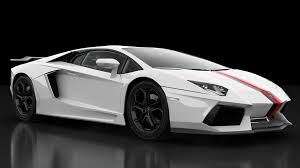 It has become increasingly difficult to get young driver car insurance in the UK. The reason behind this is because the statistics for young drivers having a car accident are not very good. By definition, young drivers have very little experience of driving and thus have a greater chance of having a bump in their vehicle. Car insurance companies are obviously in business to make money and are understandably reluctant to insure such drivers. In most cases, companies will either offer a policy at a very high premium or refuse to insure the person altogether.
However, there are ways to lower your premium. First of all you should purchase a car that has a low insurance group number. Insurance group numbers range from 1 - 20. Generally speaking the higher the number the higher your premium is likely to be. This is because cars with high insurance group numbers usually have bigger engines, are more expensive and go faster. A low insurance group vehicle will lower the premium for a young driver policy.
Opting for third party fire and theft or third party only cover also lowers your quote. If you have purchased a vehicle that does not cost very much money then you should seriously consider whether or not you need a fully comprehensive policy.
Young drivers should also be encouraged to take an advanced driving test. Some companies look favourably on drivers who take this test as they are seen as more responsible and more careful about their driving thus less likely to have a car accident
Article Source: http://EzineArticles.com/9130
It has become increasingly difficult to get young driver car insurance in the UK. The reason behind this is because the statistics for young drivers having a car accident are not very good. By definition, young drivers have very little experience of driving and thus have a greater chance of having a bump in their vehicle. Car insurance companies are obviously in business to make money and are understandably reluctant to insure such drivers. In most cases, companies will either offer a policy at a very high premium or refuse to insure the person altogether.
However, there are ways to lower your premium. First of all you should purchase a car that has a low insurance group number. Insurance group numbers range from 1 - 20. Generally speaking the higher the number the higher your premium is likely to be. This is because cars with high insurance group numbers usually have bigger engines, are more expensive and go faster. A low insurance group vehicle will lower the premium for a young driver policy.
Opting for third party fire and theft or third party only cover also lowers your quote. If you have purchased a vehicle that does not cost very much money then you should seriously consider whether or not you need a fully comprehensive policy.
Young drivers should also be encouraged to take an advanced driving test. Some companies look favourably on drivers who take this test as they are seen as more responsible and more careful about their driving thus less likely to have a car accident
Article Source: http://EzineArticles.com/9130
Free Money Saving Auto Insurance Tips
June16, 2013
By Tim Gorman
 Our money saving auto insurance tips were written for one reason - To Save You Money on your next auto insurance policy. Since in most states you are required by law to purchase a minimum amount of liability coverage we've looked for ways to save you money. Additionally many people want more than just the bare minimum in order to provide themselves with adequate protection.
The top two biggest money saving auto insurance tips are to first shop around. There are numerous providers of insurance and generally speaking you can save a great deal of money on your policy if you take the time to find the right provider.
The second biggest tip to lower your rates is to simply raise your deductable. In some cases you can reduce your annual premium by 10 percent or more if you increase your deductible by a few hundred dollars. USE CAUTION HERE: You want to make sure you can actually afford the amount that you raise your deductible to or you're no better off then before.
Additional tips include eliminating certain types of coverage from your current policy and reducing the amount of coverage you currently have. Generally this is up to each individual based on their needs, wants and desires. You may want to consult an insurance agent before making any drastic changes to your current policy.
Other factors raising the cost of your policy include the amount of mileage you drive annually and the type of vehicle you own and operate.
Did you also know that where you live can determine rates and keeping your car in a garage can lower your rates. Cars parked in garages are less likely to be stolen, vandalized, or struck by other vehicles. Using a garage to store your car may entitle you to a slight premium reduction.
If you have multiple cars and drivers then you could qualify for a multifamily discount. Sometimes your children's insurance premium can be lowered based on their school grade point average.
Other discounts may be available if you meet certain criteria. Examples may include discounts for taking a defensive driving course, being a AAA member or staying with the same auto insurance company for a number of years. These discounts vary by company.
Finally try using an anti-theft device. This helps to reduce your insurance cost.
Thanks for taking the time to read our money saving auto insurance tips. We hope our free tips and save you some of your hard earned cash.
Timothy Gorman provides more insurance information and free money saving insurance quotes that you can research in your pajamas on his
Article Source: http://EzineArticles.com/10004
Our money saving auto insurance tips were written for one reason - To Save You Money on your next auto insurance policy. Since in most states you are required by law to purchase a minimum amount of liability coverage we've looked for ways to save you money. Additionally many people want more than just the bare minimum in order to provide themselves with adequate protection.
The top two biggest money saving auto insurance tips are to first shop around. There are numerous providers of insurance and generally speaking you can save a great deal of money on your policy if you take the time to find the right provider.
The second biggest tip to lower your rates is to simply raise your deductable. In some cases you can reduce your annual premium by 10 percent or more if you increase your deductible by a few hundred dollars. USE CAUTION HERE: You want to make sure you can actually afford the amount that you raise your deductible to or you're no better off then before.
Additional tips include eliminating certain types of coverage from your current policy and reducing the amount of coverage you currently have. Generally this is up to each individual based on their needs, wants and desires. You may want to consult an insurance agent before making any drastic changes to your current policy.
Other factors raising the cost of your policy include the amount of mileage you drive annually and the type of vehicle you own and operate.
Did you also know that where you live can determine rates and keeping your car in a garage can lower your rates. Cars parked in garages are less likely to be stolen, vandalized, or struck by other vehicles. Using a garage to store your car may entitle you to a slight premium reduction.
If you have multiple cars and drivers then you could qualify for a multifamily discount. Sometimes your children's insurance premium can be lowered based on their school grade point average.
Other discounts may be available if you meet certain criteria. Examples may include discounts for taking a defensive driving course, being a AAA member or staying with the same auto insurance company for a number of years. These discounts vary by company.
Finally try using an anti-theft device. This helps to reduce your insurance cost.
Thanks for taking the time to read our money saving auto insurance tips. We hope our free tips and save you some of your hard earned cash.
Timothy Gorman provides more insurance information and free money saving insurance quotes that you can research in your pajamas on his
Article Source: http://EzineArticles.com/10004

The Car Insurance Calculation Explained
June 16,2013
By Andrew Bowen
 Different companies will apply different factors to the way they finally arrive at a price for your Car Insurance. Generally speaking though the concept is the same. This involves collecting various bits of information from you and feeding it through a computer system which adds or takes away money depending on the answers you give.
The value put on these answers is decided by the individual Car Insurance company.
For example, some Car Insurance companies may believe that having a speeding conviction increases your chance of having a personal injury accident in the future - therefore they may add money to your price if you have such a conviction.
Similarly, some Car Insurance companies may decide that because you have a lot of No Claims Bonus Years then you are less likely to claim - therefore they may discount your price. All in all there are around 30 different factors that may affect your final premium. Now you can see why you get such a difference in the price of your Car Insurance by going to various companies. Each company will have it's own view of what they believe should be assigned to each answer you give. The Car Insurance quote you get through the Accept Direct website will look at lots of different Car Insurance prices from lots of companies.
Different companies will apply different factors to the way they finally arrive at a price for your Car Insurance. Generally speaking though the concept is the same. This involves collecting various bits of information from you and feeding it through a computer system which adds or takes away money depending on the answers you give.
The value put on these answers is decided by the individual Car Insurance company.
For example, some Car Insurance companies may believe that having a speeding conviction increases your chance of having a personal injury accident in the future - therefore they may add money to your price if you have such a conviction.
Similarly, some Car Insurance companies may decide that because you have a lot of No Claims Bonus Years then you are less likely to claim - therefore they may discount your price. All in all there are around 30 different factors that may affect your final premium. Now you can see why you get such a difference in the price of your Car Insurance by going to various companies. Each company will have it's own view of what they believe should be assigned to each answer you give. The Car Insurance quote you get through the Accept Direct website will look at lots of different Car Insurance prices from lots of companies.
 Different companies will apply different factors to the way they finally arrive at a price for your Car Insurance. Generally speaking though the concept is the same. This involves collecting various bits of information from you and feeding it through a computer system which adds or takes away money depending on the answers you give.
The value put on these answers is decided by the individual Car Insurance company.
For example, some Car Insurance companies may believe that having a speeding conviction increases your chance of having a personal injury accident in the future - therefore they may add money to your price if you have such a conviction.
Similarly, some Car Insurance companies may decide that because you have a lot of No Claims Bonus Years then you are less likely to claim - therefore they may discount your price. All in all there are around 30 different factors that may affect your final premium. Now you can see why you get such a difference in the price of your Car Insurance by going to various companies. Each company will have it's own view of what they believe should be assigned to each answer you give. The Car Insurance quote you get through the Accept Direct website will look at lots of different Car Insurance prices from lots of companies.
Different companies will apply different factors to the way they finally arrive at a price for your Car Insurance. Generally speaking though the concept is the same. This involves collecting various bits of information from you and feeding it through a computer system which adds or takes away money depending on the answers you give.
The value put on these answers is decided by the individual Car Insurance company.
For example, some Car Insurance companies may believe that having a speeding conviction increases your chance of having a personal injury accident in the future - therefore they may add money to your price if you have such a conviction.
Similarly, some Car Insurance companies may decide that because you have a lot of No Claims Bonus Years then you are less likely to claim - therefore they may discount your price. All in all there are around 30 different factors that may affect your final premium. Now you can see why you get such a difference in the price of your Car Insurance by going to various companies. Each company will have it's own view of what they believe should be assigned to each answer you give. The Car Insurance quote you get through the Accept Direct website will look at lots of different Car Insurance prices from lots of companies.
Subscribe to:
Posts (Atom)